Private sector warns against government plan to control business advocacy under new Bill
The Bill, developed by the State Department for Investment Promotion under Principal Secretary Abubakar Hassan, aims to create a legal framework for engagement between government and private sector actors.
A new Bill has proposed the creation of a 12-member council to oversee all business lobbies, in a bid to centralise public-private engagements and regulate how the private sector interacts with the government.
The draft Public Sector–Private Sector Engagement Bill 2025 seeks to establish the Business Council of Kenya (BCK), which will act as the official voice of more than 130 business organisations and coordinate interactions with state agencies.
More To Read
- MPs to private sector: No tax incentives without proof of public good
- Kenya to review Special Economic Zones framework to end abuse by real estate developers
- June sees deepening slump in Kenya’s private sector following protests, weak consumer spending
- KEPSA calls on banks to raise lending to private businesses to 15 per cent to spur growth
- Private sector activity rises to 10-month high in March
- Kenya's private sector activity dips slightly in December amid rising inflation
The Bill, developed by the State Department for Investment Promotion under Principal Secretary Abubakar Hassan, aims to create a legal framework for engagement between government and private sector actors. If passed, the BCK will comprise a board and secretariat responsible for day-to-day management and hosting the presidential business roundtable twice a year.
“There is established the Business Council of Kenya, which shall be a body corporate with perpetual succession and shall, in its corporate name, be capable of suing and being sued,” reads clause five of the draft Bill.
The BCK will bring together representatives from major business associations, including the Kenya National Chamber of Commerce and Industry (KNCCI), Kenya Private Sector Alliance (KEPSA), Federation of Kenya Employers (FKE) and the Kenya Association of Manufacturers (KAM). Currently, these organisations operate independently, engaging the government based on sector-specific issues, as demonstrated during the Finance Bill deliberations.
Defended proposal
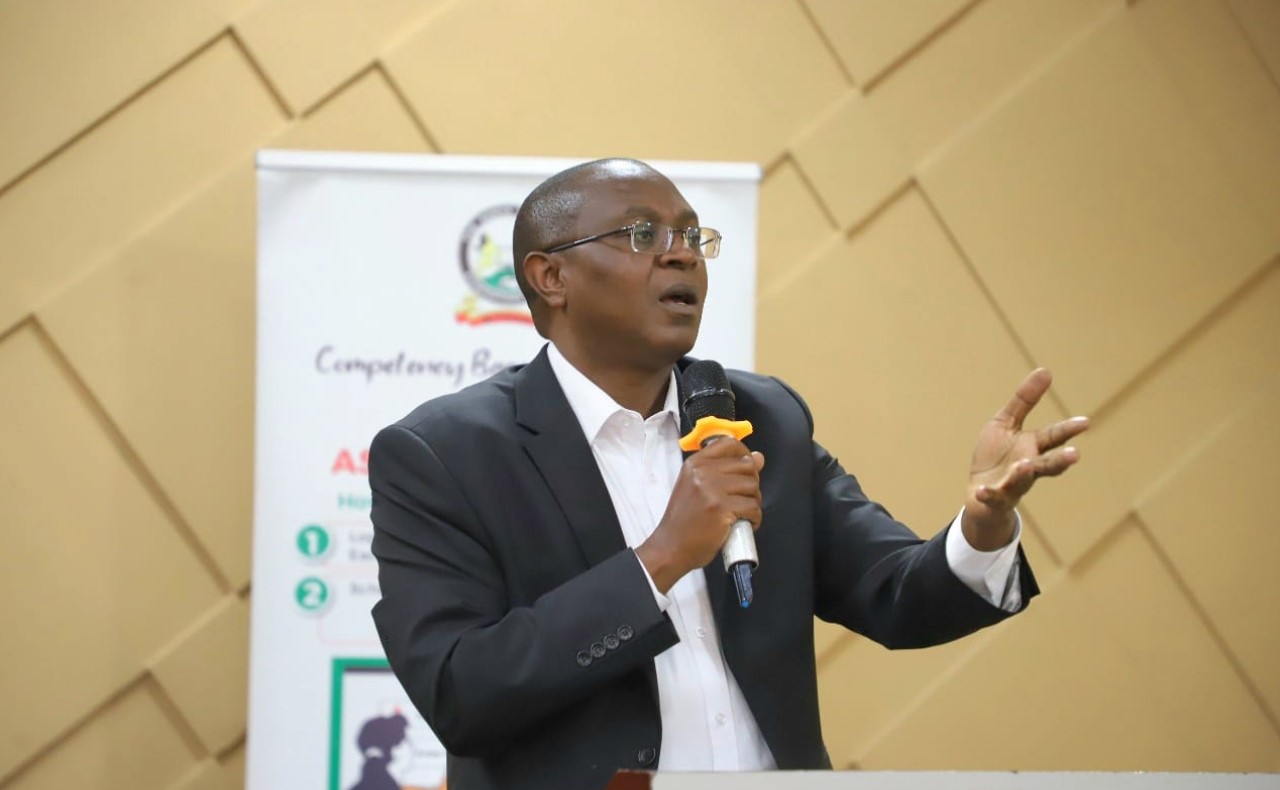
Despite criticism from the private sector, PS Abubakar defended the proposal in an interview with the Daily Nation, saying it is intended to enhance the business environment and investment climate.
“The object of this Act shall be to establish BCK to strengthen the capacity of business membership organisations to effectively engage the government for effective policy advocacy,” he said, adding that “it will enhance government coordination for private engagements,” he said.
The department has invited Kenyans to submit comments or memoranda on the Bill, which is available on its website, ahead of nationwide consultations scheduled for December 9, 2025, across 46 counties in five regional clusters—Eldoret, Kisumu, Mombasa, Nyeri and Garissa.
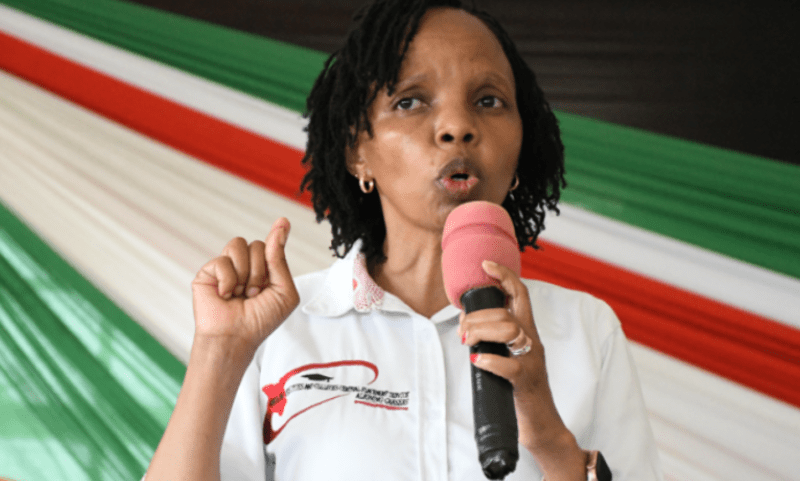
However, private sector leaders argue that the Bill threatens their independence. FKE Executive Director and CEO Jacqueline Mugo said the draft “seeks to muzzle the voice of the private sector as it takes away its independence to engage the government and input in public policy.”
Unnecessary layers of bureaucracy
She added, “At this stage, it is not clear what problem the Bill seeks to address or whether there are existing legal gaps it intends to cure. The Bill appears to introduce unnecessary layers of bureaucracy, which may in turn impede and suppress the public participation framework envisioned by the constitution.”
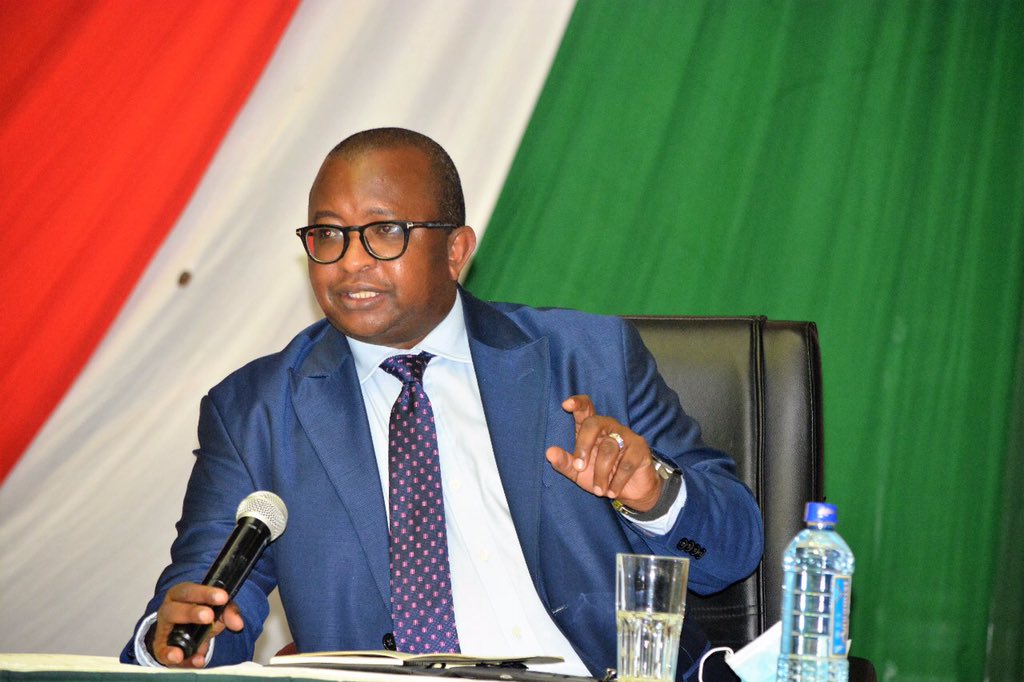
KNCCI President Erick Rutto said his organisation will present its position after the public consultations.
“We will present our views through our 47 KNCCI chapters and our affiliated business management organisations during the planned public sensitisation,” he said.
“After the public sensitisation exercise, the KNCCI national office will issue a statement stating its position on the draft Bill.”
Mugo noted that FKE’s role is recognised globally under the International Labour Organisation (ILO) tripartite framework, which brings together employers, workers, and governments.
“This globally recognised structure forms the foundation of effective labour governance and social dialogue,” she said.
She stressed that FKE’s mandate as the employers’ representative “is unique and distinct, and cannot be transferred to, vested in or absorbed under any other institution without undermining well-established international labour governance principles.”
Employers’ voice
FKE’s role is anchored in Article 41(4)(a) of the Constitution and principal labour laws, “which expressly designate the federation as the employers’ voice in industrial relations, social dialogue and labour policy formulation,” Mugo added.
Beyond national boundaries, FKE represents Kenyan employers at the East Africa Employers’ Organisation (EAEO), Business Africa Employers’ Confederation (BAEC) and International Organisation of Employers (IOE), ensuring a strong and credible voice at regional, continental and global levels.
According to Mugo, placing FKE under an umbrella body could have “profound implications,” including dismantling internationally recognised tripartism, weakening the autonomy of employers’ representation, and reducing the effectiveness of employer participation in labour market governance, economic development and national policy processes.
Committed to constructive dialogue
She reiterated that FKE remains committed to constructive dialogue, provided it is “undertaken in a manner that preserves the integrity of tripartism and safeguards the statutory and international mandate of the federation.”
The draft Bill outlines the functions of the BCK, including registering business membership organisations, collecting and collating members’ views on issues affecting investment and business operations, promoting international recognition, categorising business issues into cross-cutting and sector-specific areas and engaging with the Cabinet Secretary for administrative, policy and legal interventions, including budget-related matters and levies.
The council will also provide technical support and capacity building to members to address challenges in the business environment.
Top Stories Today